+86 19047020378
 public@ceenovo.com
  +86 19047020378
Late night street traffic password: How to light up Japanese snack shops through digital signage advertising screens
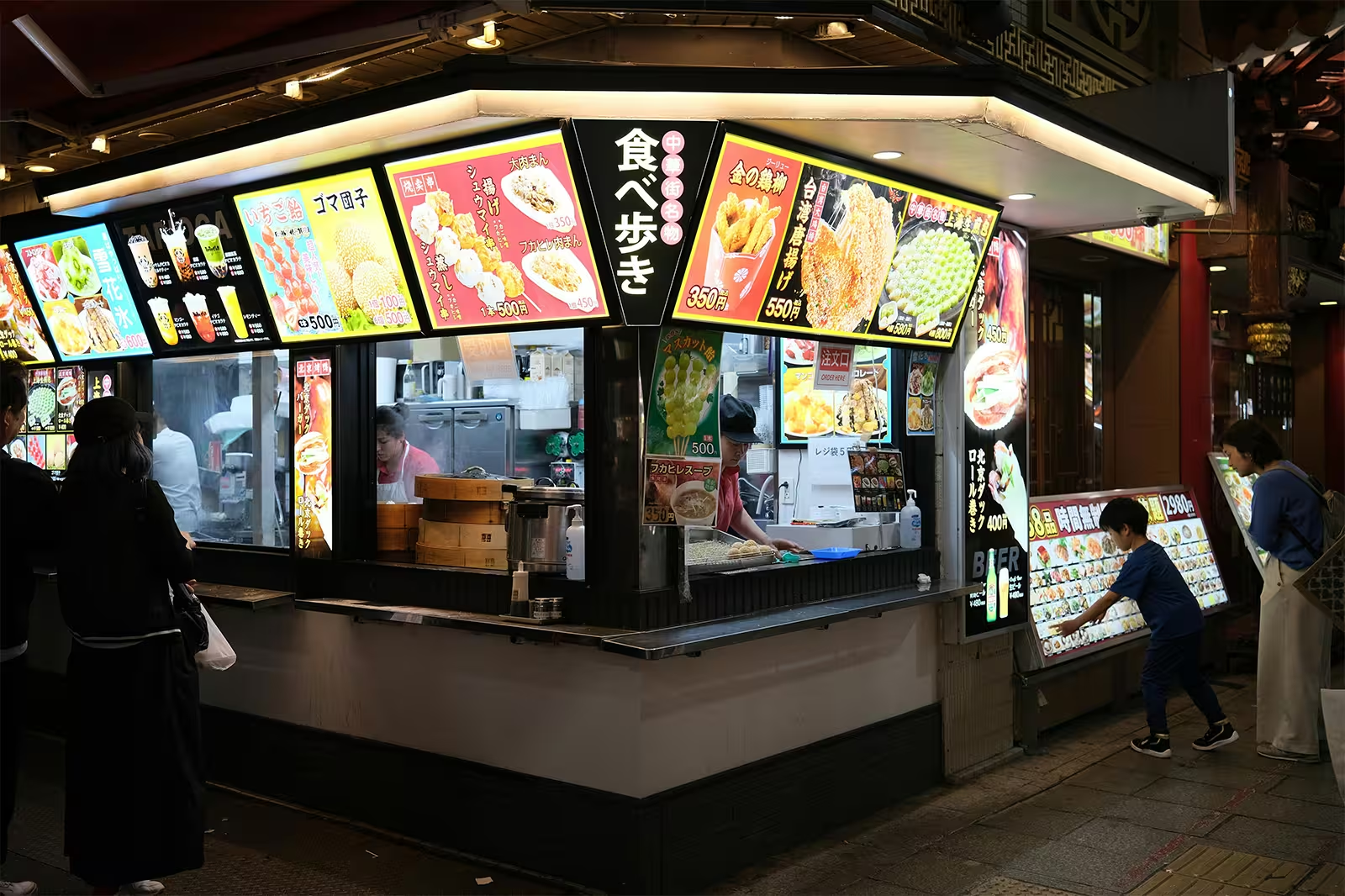
In the neon lit night of Chinatown in Japan, the digital signal of this snack shop is performing a silent drainage magic. The brightly colored electronic menu boards are lined up in a row, with golden fried items, round balls, and refreshing drinks jumping vividly on the high-definition screen, accurately capturing the gaze of every passerby and instantly giving the late night fireworks a visual impact. Compared to traditional paper menus, digital signals have shown amazing advantages here: they use high saturation colors to restore the texture of food, even under the streetlights at night, making the details of food clear and visible, arousing diners’ appetite; Flexible content updates allow for one click switching between new products and special offers, eliminating the need for repeated poster changes; The presentation of information in multiple languages makes it easier to cover both local residents and foreign tourists, solving minor language communication barriers. These glowing electronic signs are not only menus, but also the “digital signage” of stores. They reinforce brand memory with a unified visual style, extend the stop time of passersby with dynamic images, and even make passing children unable to resist stopping and watching. For small street shops, digital signal is no longer a high-end marketing concept, but a low-cost, high return traffic tool that injects new vitality into traditional snacks with technology